
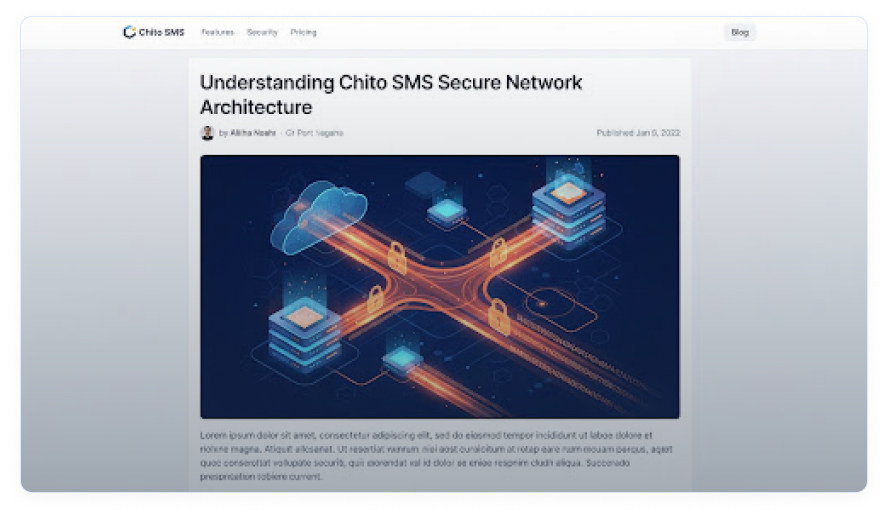
In the high-stakes environment of enterprise communications, One-Time Passwords (OTPs) remain a critical layer of defense. However, as threat vectors evolve, traditional SMS delivery mechanisms require robust reinforcement. This guide explores the modern architecture necessary for high-throughput, mission-critical authentication.
The Anatomy of Modern 2FA
Two-factor authentication (2FA) is no longer a luxury; it’s a regulatory baseline. Yet, the implementation details define the difference between a secure system and a vulnerable one. Enterprise-grade OTP delivery demands end-to-end encryption from the point of generation to the telecom carrier network.
Reducing Latency in Mission-Critical Systems
When dealing with high-scale operations, route optimization is paramount. Standard gray routes are unacceptable for authentication traffic. True enterprise platforms utilize direct, Tier-1 carrier connections to ensure sub-second delivery times.
Key architectural requirements include:
- Active-Active Redundancy: Geographically distributed data centers ensuring 99.999% uptime for authentication requests.
- Dynamic Route Optimization: Algorithmic fallback mechanisms that instantly bypass congested carrier nodes.
- Cryptographic Hashing: Ensuring the OTP generated at the edge is never stored in plain text during transit.
Conclusion
Securing the authentication perimeter in 2024 requires looking beyond simple API integrations. It demands an infrastructural commitment to speed, redundancy, and uncompromised data integrity. As enterprises scale, their communication backbone must scale with the same rigorous security standards applied to their core databases.